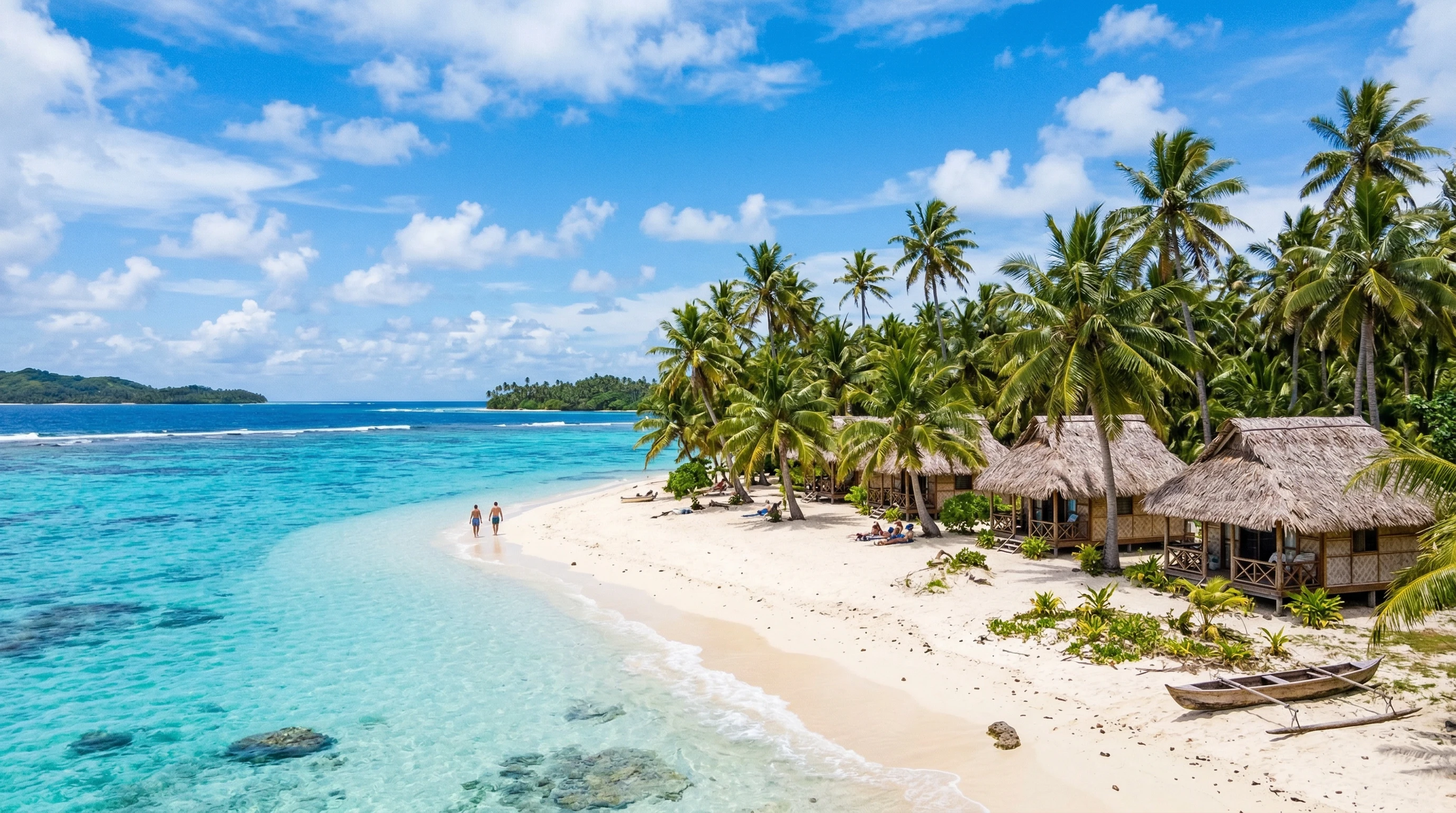
Island life is full of stories, old customs, and unique routines that shape daily living. Cultural practices on islands come in all forms, from big festivals to small daily rituals. Each island community brings its own style, mixing deep traditions with little adaptations to suit what the sea and land offer. These practices help keep local heritage strong and offer a real window into island identity.
Ever wondered what keeps island traditions so lively?
Key Takeaways on Island Cultural Practices
- Rich storytelling and oral traditions hold island history and knowledge.
- Festivals and community gatherings keep heritage alive and connect people.
- Traditional diets and food customs use local ingredients and age-old recipes.
- Crafts, music, and dance express cultural pride and pass skills across generations.
- Adaptations to nature shape daily routines and survival skills.
- Global influence and modern life mix with tradition, showing resilience and new ideas.
Storytelling and Oral Tradition: The Heartbeat of Island Culture
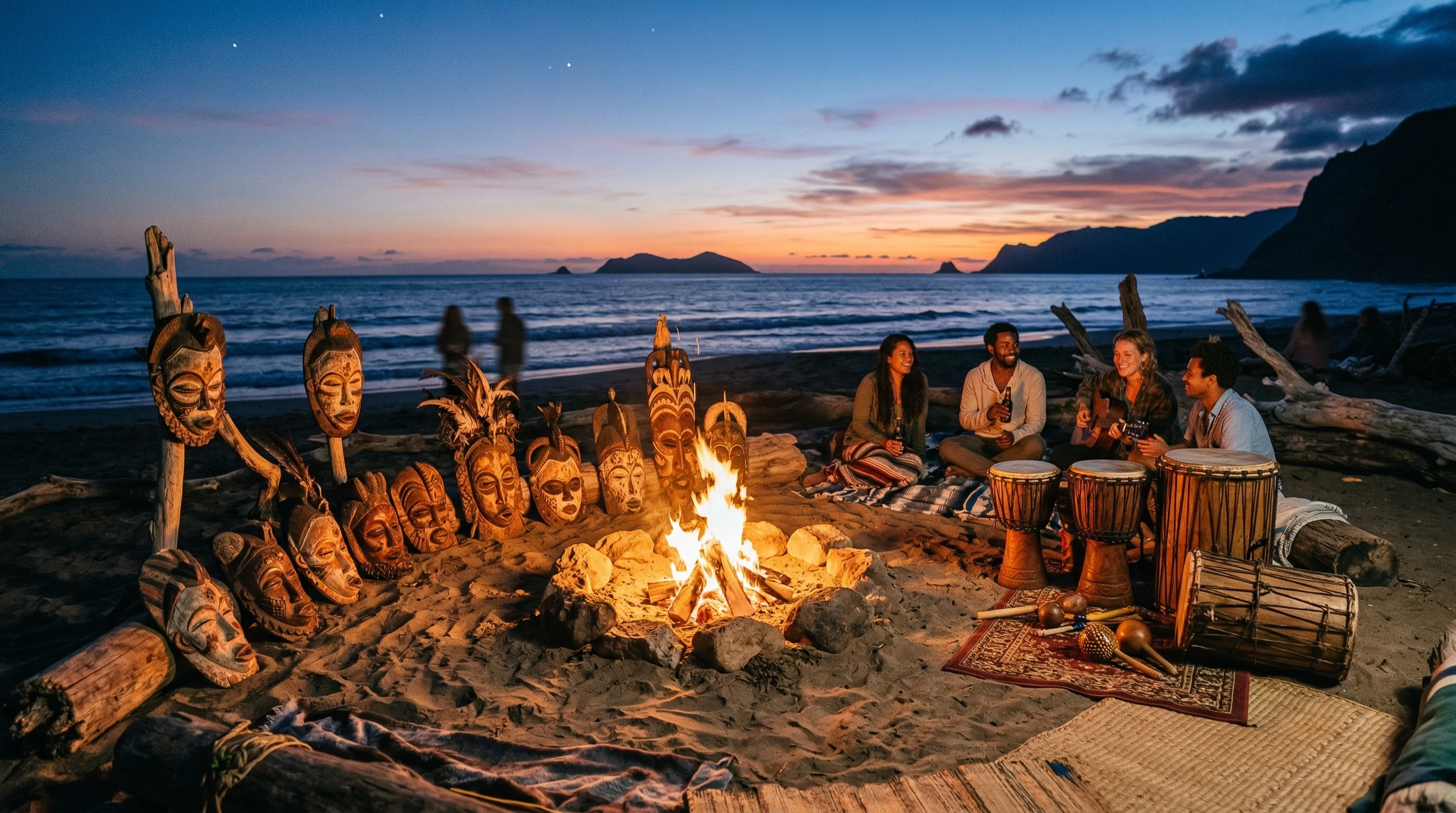
On so many islands I’ve visited, storytelling is more than just entertainment; it’s how history, values, and practical knowledge get shared. Instead of written records, story circles and folk songs keep old memories alive, often echoing through village squares or quiet beach gatherings. These oral traditions are super important for teaching younger folks about the past and giving them a sense of belonging. Sometimes, stories go hand in hand with music, call and response chants, or even shadow puppet theater, depending on where you are. Elders usually take the lead in these gatherings, and kids learn about their roots by listening in. Some stories explain natural events, while others poke fun at human nature. All these tales form the backbone of island identity and continue to inspire younger generations to pass them on.
Island Festivals: Community Spirit in Action
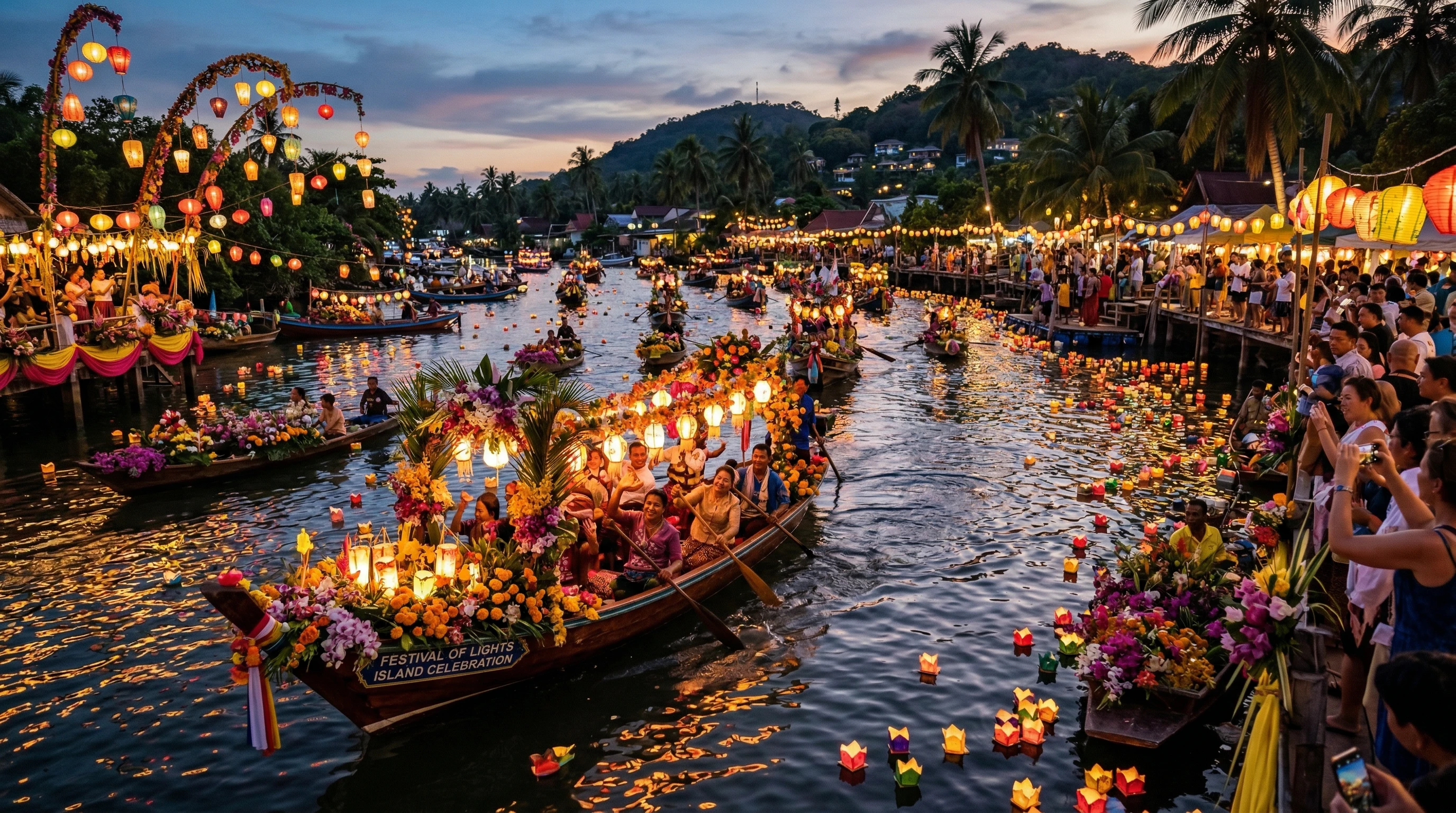
Festivals on islands are loud, fun, and usually packed with meaning. Take the Pacific Islands, for example; events often mark important times like the yam harvest or start of fishing season. Caribbean Carnivals, traditional New Year’s parades, or even local boat races bring neighbors together with food, music, and lots of dancing. I love that these gatherings blend ancient rituals with new ideas—modern sound mixes with traditional drum rhythms, and everyone, from grandparents to toddlers, gets to join in. The real magic comes from how these parties honor heritage while making space for new traditions. What stands out is the creativity in costumes, floats, and decorations. People spend weeks preparing beautiful flower garlands or colorful banners. There’s friendly competition too, like boat teams racing for village pride, or cooking contests to see who can whip up the tastiest dish. All of these events help reinforce a sense of unity and identity among islanders.
Local Foods and Eating Rituals
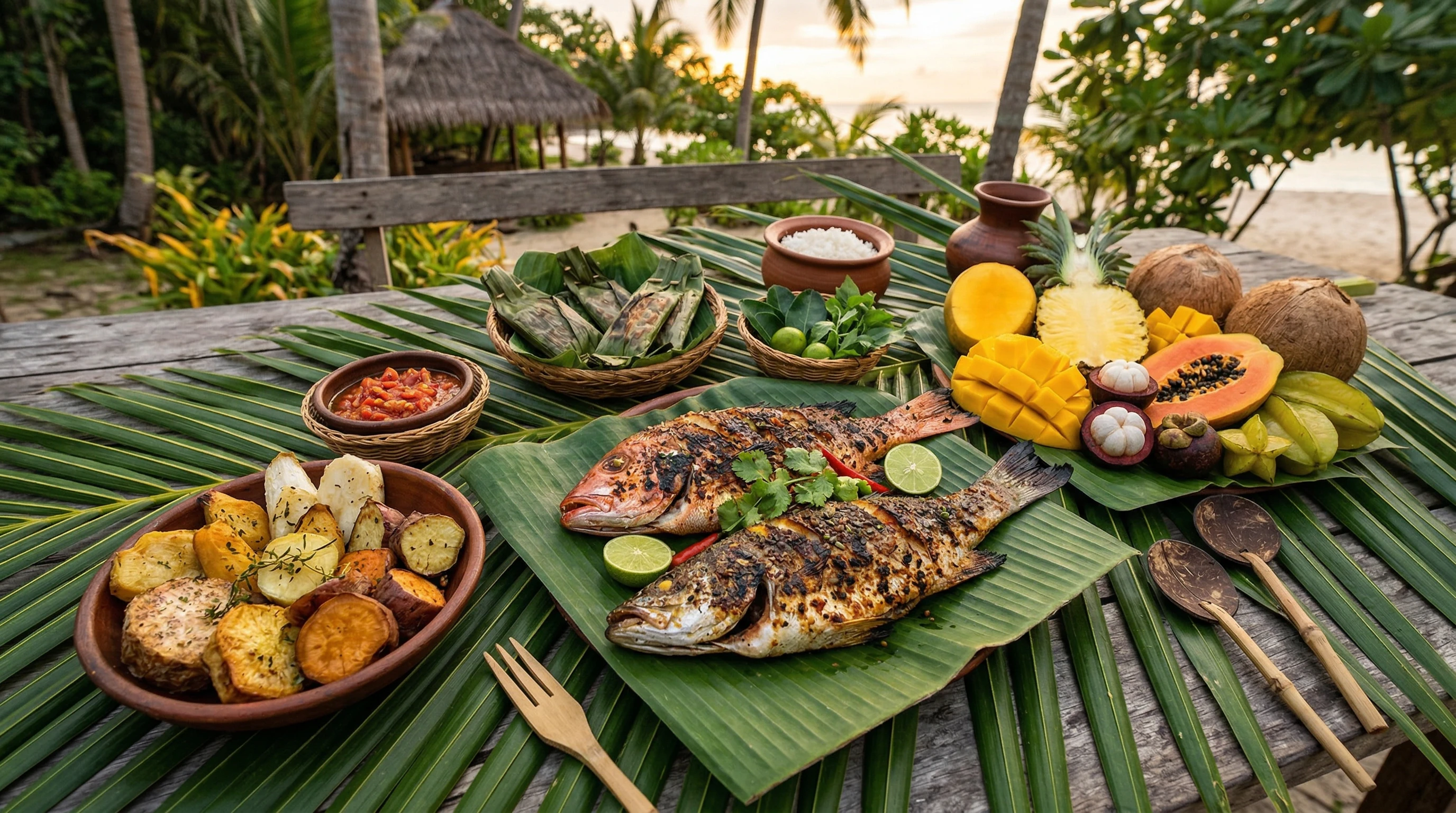
Food on islands is more than just fuel. It’s the center of celebrations and daily life. Recipes often use what grows locally, like taro, cassava, coconut, and fresh caught seafood. Cooking methods passed down for generations, like underground ovens in Polynesia or open fire grilling elsewhere, are still alive and well. I’ve noticed mealtimes are often social—everyone gathers around shared platters or big pots, and there’s always a story or two before the meal. Even snacks or drinks, like kava in Fiji or bush tea in the Bahamas, come with traditions around respect and sharing. In markets or during family gatherings, you’ll find a rainbow of tropical fruits, spicy stews, and homemade desserts. Seasonal foods play a big part, and many households cook extra to share with neighbors. These rituals and recipes reflect the rhythm of island life and the strong sense of community. When a festival rolls around, it’s common to see entire villages joining to prepare a feast, creating stronger ties and lasting memories.
Handmade Crafts, Music, and Dance
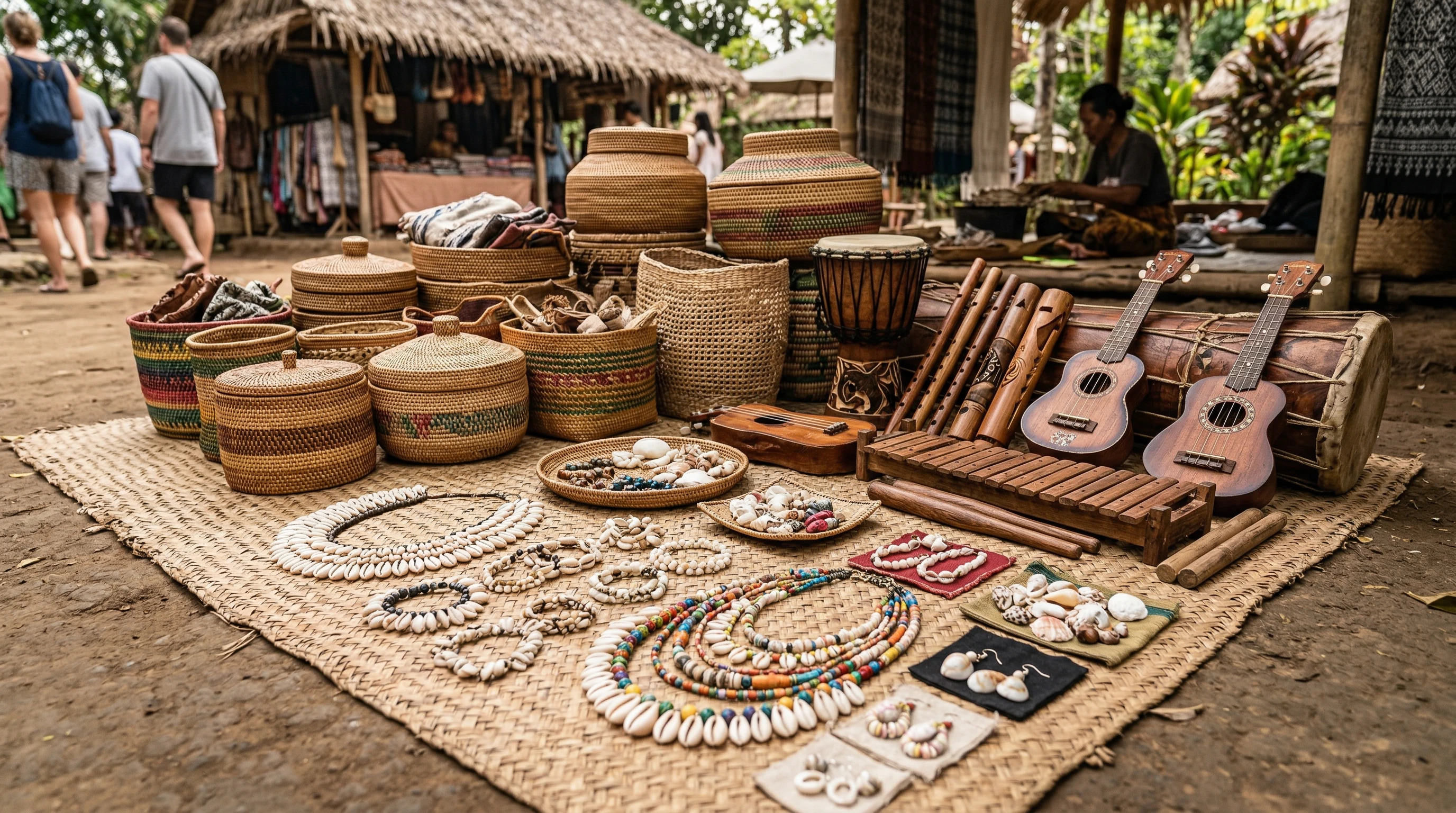
Islanders have a real knack for beautiful, practical crafts. Shell jewelry, woven palm hats, painted drums, and carved canoes are all part of daily life. You’ll spot traditional patterns that speak to local myths and natural surroundings. Music and dance are everywhere—energetic hula in Hawaii, steel pan bands in Trinidad, or bamboo percussion in Southeast Asian islands. Dances often tell stories or celebrate milestones, and many young islanders learn these skills both at home and in school. Supporting local crafts is pretty handy for keeping these skills alive and helping island economies, too. Craft markets offer a blend of old and new inspirations, and performances bring crowds together for everything from lullabies to high energy dance-offs. Taking part or simply watching is a powerful way to connect with the island’s creative heartbeat.
Island Adaptation: Living Closely with Nature
Everyday routines on islands depend a lot on the sun, tides, and island ecosystems. Locals have serious knowledge about fishing seasons, wild plants, and weather clues. Many practice environmental customs, like only harvesting what’s needed or holding community clean up days. In some places, ancient sea navigation and star chart reading are still taught. These traditions help protect resources for future generations and help solve modern challenges around climate and environmental change. Islanders also make use of materials that are available, like bamboo, coral rock, and driftwood to build and decorate. People develop skills for managing storms, recycling water, and growing hardy crops. This gives island communities a resilience and flexibility that’s admired around the world. Their know-how often helps visiting tourists learn important lessons about conservation and balance.
Modern Life and Keeping Traditions Alive
Island practices aren’t stuck in the past; they’re always adapting. Internet, tourism, and outside trends bring new inspiration but can also challenge old customs. I see islanders blending the old and the new, like streaming local music performances while wearing traditional outfits or selling crafts online. Young people play a huge role, choosing which customs to hold onto and how to remix them for new times. Efforts to teach island languages in schools, hold community festivals, and document old skills help keep culture not just surviving, but thriving. Social media is helping island traditions reach wider audiences, while mentorships keep crafts and ceremonies alive. It’s this creative blend that keeps island life vibrant and their heritage always ready for the next chapter.
Tell Me About Your Island Experiences!
What island customs or traditions have you come across or grown up with?
Leave a comment and share your stories; these details help keep island life interesting and alive for everyone!