No better way to jump in than by celebrating the roots of traditional island cuisine. Across the globe, islands have always depended on what’s fresh and close at hand. This means all kinds of bold flavors and unique combinations, with food often shaped by the ocean, the land, and the cultural vibe of each spot. Island cuisine isn’t just about eating. It’s about using local flavors, passing down recipes, and sharing meals that bring people together.
Ever wondered what gives island food that unforgettable taste?
Main Highlights
- Focus on fresh, local ingredients like seafood and tropical produce
- Cultural influences from history, trade, and migration
- Cooking styles that blend simplicity and bold flavor
- Use of spices, herbs, and unique sauces
- Role of communal dining and celebration
- Modern takes inspired by tradition and fusion
Island Ingredients: From Sea to Shore
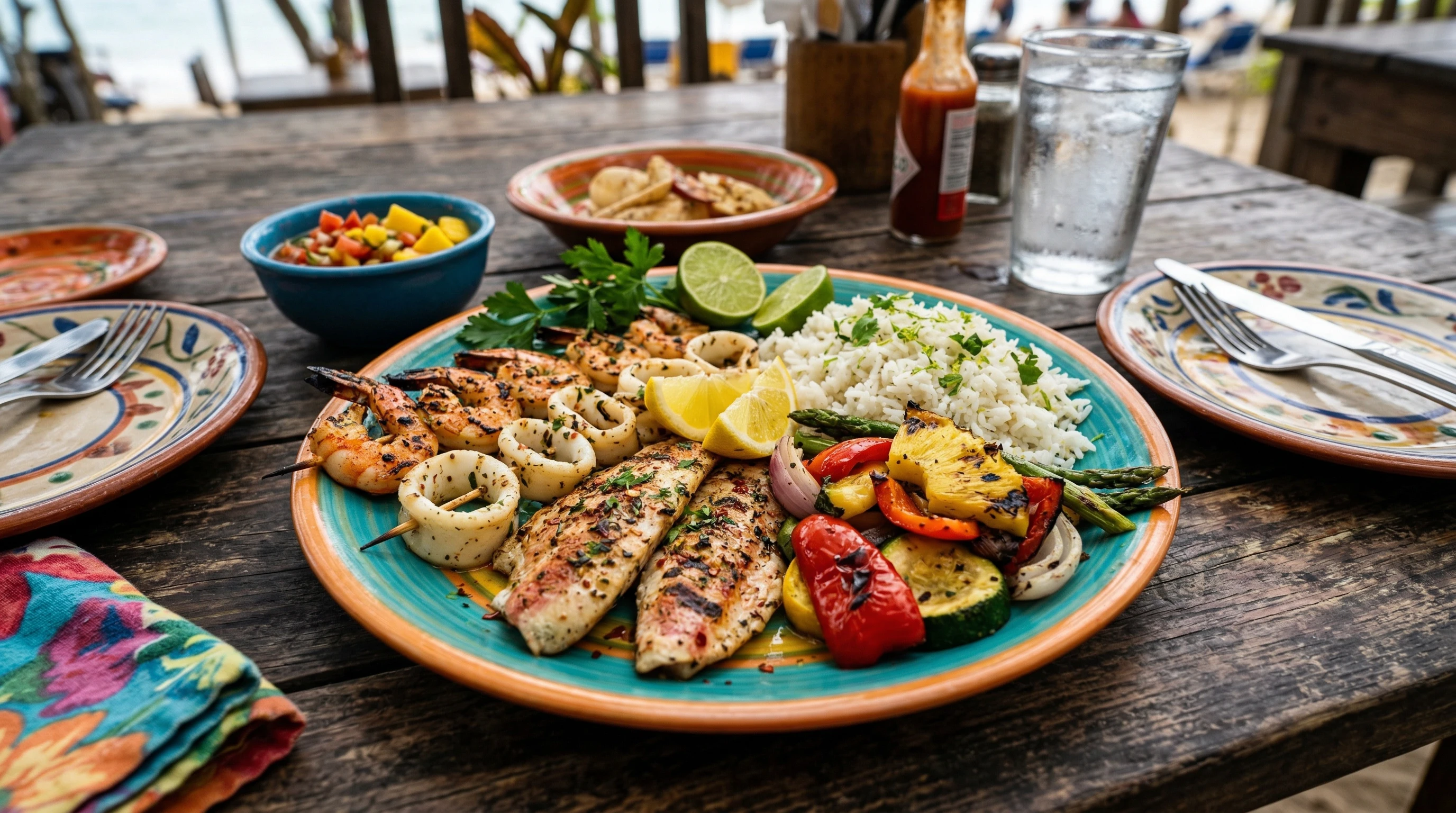
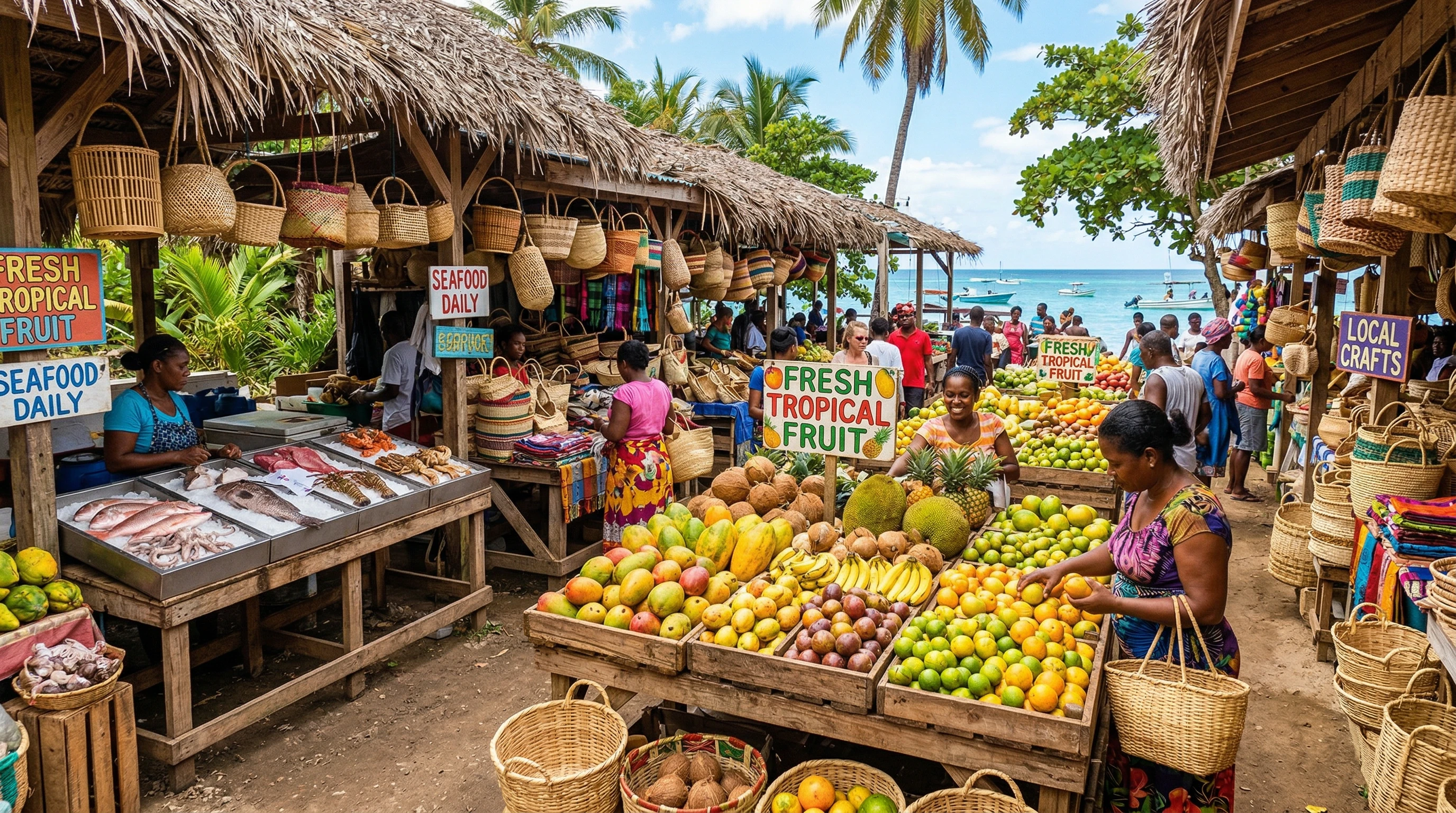
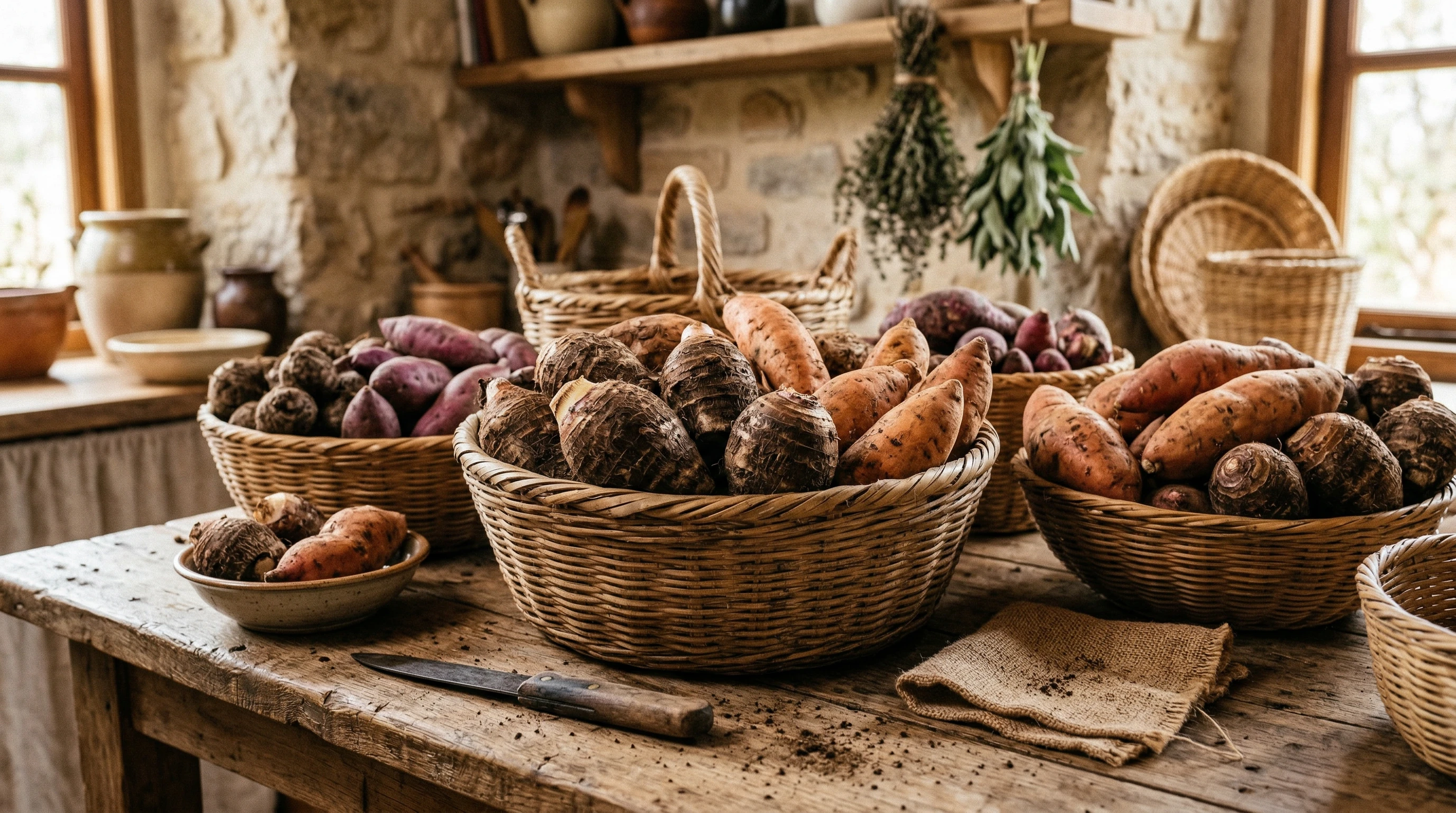
One thing I’ve noticed about island food is how it always starts with what’s fresh and available on the island itself. Seafood gets top billing; think grilled fish, marinated shrimp, and all sorts of shellfish. You’ll also find tropical fruits like mango, papaya, and coconut taking on starring roles, often in both sweet and savory dishes. Root veggies such as taro, cassava, and sweet potatoes provide comfort and heartiness, while leafy greens and wild herbs round things out.
Thanks to limited land and resources, nothing goes to waste. Even the smallest islands make use of every edible plant and sea creature they can find, which leads to some pretty creative cooking. Islanders often grow their own herbs and vegetables, using permaculture techniques to get the most from their plots of land. Many households fish daily, relying on the ocean for their protein and including seasonal catches in daily meals.
Cultural Mash Up: How History Shapes Island Cuisine
Island food isn’t just about ingredients; it’s a mash up of different cultures and influences. Many island communities have seen waves of traders, explorers, and settlers. This means African, European, Asian, and Indigenous cooking traditions all blend together to create something totally unique. For example, the Caribbean fuses flavors from Africa, Asia, and Europe, resulting in dishes like jerk chicken and callaloo. In the Pacific islands, traditional Hawaiian fare mixes with touches from Japanese, Chinese, and Portuguese food culture.
Spices and marinades are really popular. Stuff like chilies, ginger, lemongrass, and citrus bring big flavor, while coconut milk, fermented sauces, and dried fish punch up the taste even further. Every bite usually comes with some kind of story or bit of history, reminding me how food is often linked to a place’s past. Special meals might be prepared for festivals or family gatherings, showing how recipes can be a real bridge to a culture’s history and spirit.
Signature Dishes and Cooking Styles
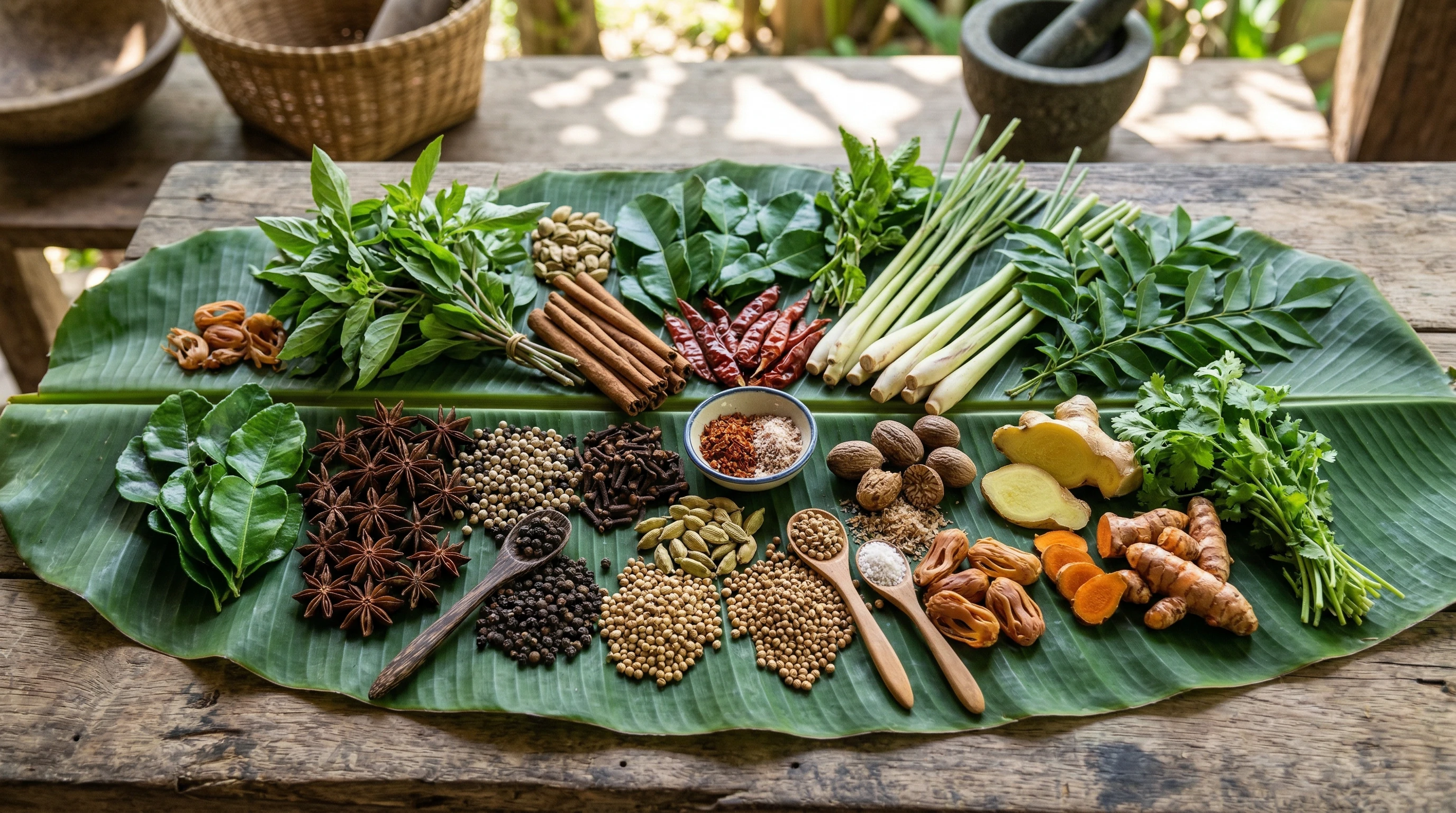
Dishes vary from island to island, but a few styles are pretty universal. Grilling over open flames is really common, especially for fish and meat. Stews and slowcooked pots are another goto, perfect for making the most of tougher cuts or for blending flavors. Rice, flatbreads, or starchy vegetables are usually on the side, rounding out the meal.
Some examples I think are worth trying include poke bowls from Hawaii, conch fritters from the Bahamas, Samoan palusami (taro leaves cooked in coconut cream), and Mauritius’ fish vindaye. Each dish packs in local twists and ingredients, and it’s not uncommon to see everyone coming together to help with the prep, making a meal a fullblown event. Traditional feasts can take hours or even a whole day to prepare, turning the meal into a social gathering filled with music and storytelling.
Food and Community: Why Shared Meals Matter
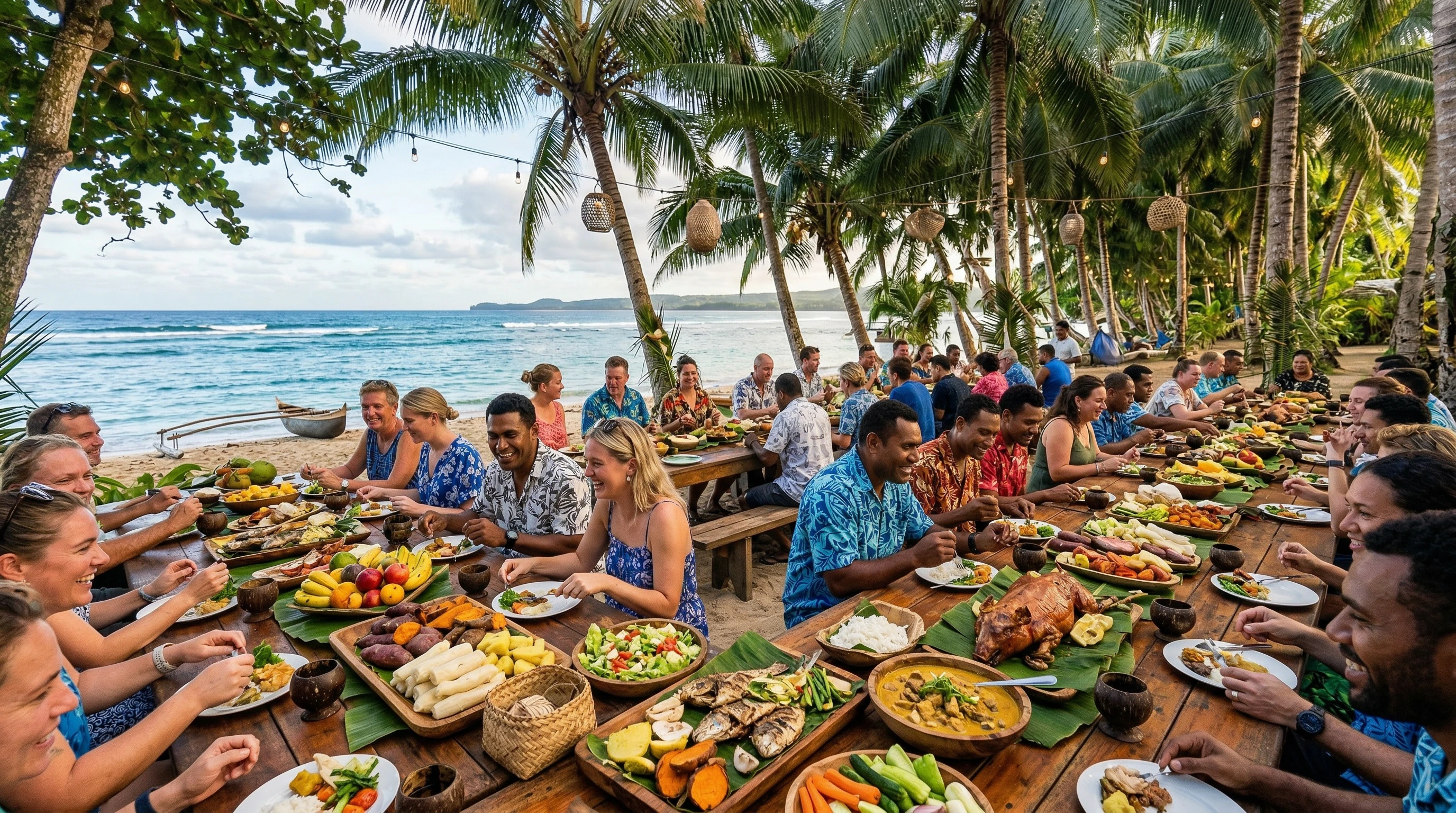
If there’s one thing I love about island cuisine, it’s how meals are usually a group effort. Family, friends, and sometimes entire villages come together for meals that can stretch on for hours. Food is about celebrating life, marking occasions, and passing down traditions. Potlucks, feasts, and beach barbecues are common, and it’s not only about the food, but the connection and laughter that goes along with it.
This sense of sharing also keeps recipes alive through generations. Even as more global ingredients show up in grocery stores, island cooks still honor old recipes and methods, blending tradition with what’s new. Elders often teach the younger generation how to prepare important dishes, keeping memories and family bonds strong. Island food culture is more than what’s on your plate; it’s about keeping traditions, building relationships, and celebrating your roots.
Modern Twists and Future Flavor
Chefs and home cooks on islands today aren’t afraid to get creative. There’s a big movement to fuse global flavors with oldschool recipes, creating dishes that are familiar but a little surprising. Farmers markets and local fishing boats supply the freshest stuff, while new takes on preparation, like sustainable fishing and plantbased swaps, help keep island cuisine relevant and ecofriendly.
Some island restaurants use modern cooking methods and creative plating to make dishes stand out, turning old favorites into eye catching new classics. Tourists and locals both appreciate these new spins, especially when they showcase traditional flavors in an unexpected way. As travel increases, island food keeps growing more popular, showing that these traditions can grow while still embracing change.
Want to Try It Yourself?
Ever cooked an island inspired dish at home?
Share your favorite recipe or story in the comments. It’s a super fun way to bring a taste of the islands to your own kitchen and connect with food traditions from around the globe. Whether you grill up fresh fish, mix up a fruit salad with coconut, or try your hand at a classic stew, there’s always something new to learn and savor in island cuisine.