Island traditions have a way of making life feel a little bit magical. Whether it’s an isolated stretch in the Pacific or a bustling Caribbean hub, the customs and rituals passed down over generations shape island life in a way that’s hard to find anywhere else.
Islanders often mix influences from their home region, visiting explorers, historical trade, and even ancient legends, turning tradition into something vibrant and unique. So, let’s dig into what makes island traditions stand out; it’s a mix of history, daily living, food, music, and celebration.
Curious what it really means to keep tradition alive when the ocean is always close?
🌴 Main Points
- Historical roots in indigenous cultures and waves of migration
- Festivals and ceremonies as key parts of community life
- Traditional food and cooking styles shaped by local ingredients
- Music, dance, and storytelling as forms of cultural memory
- Crafts and arts carrying on ancestral skills
- Modern blending of tradition with today’s realities
Origins: Where Island Traditions Begin
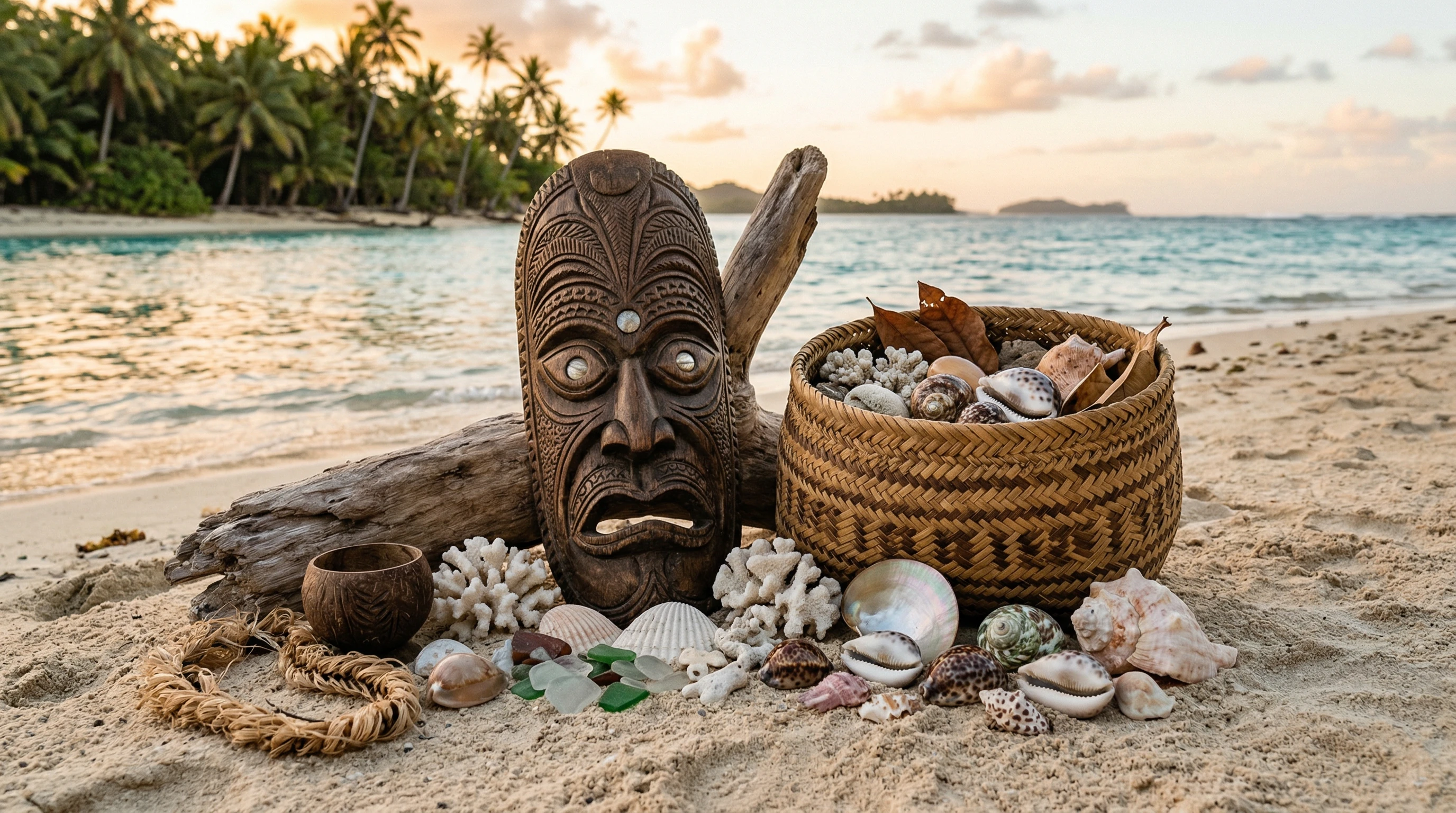
Many island traditions go back to the earliest inhabitants. Indigenous groups created unique customs for everything from navigation to farming, often using the land and sea as inspiration. For example, Polynesians were incredible wayfinders, relying on stars, birds, and ocean currents to travel between islands. On islands in the Caribbean, West African influences from the days of the transatlantic slave trade show up in drumming and dance styles that are still part of island celebrations today.
Each tradition has its own backstory, usually tied to the island’s environment or early settlers. Whether that means tiki carving in Hawaii or boatbuilding in the Mediterranean, these are lasting testaments to the ingenuity and spirit of island communities. Over time, new arrivals brought their own customs into the mix, giving island cultures that layered, mixed feel. Legendary seafarers might have left behind navigational stories, while settlers wove new foods and technologies into daily life. Generations later, traditions continue to echo these early innovations.
Celebrations and Festivals: Sharing Joy the Island Way
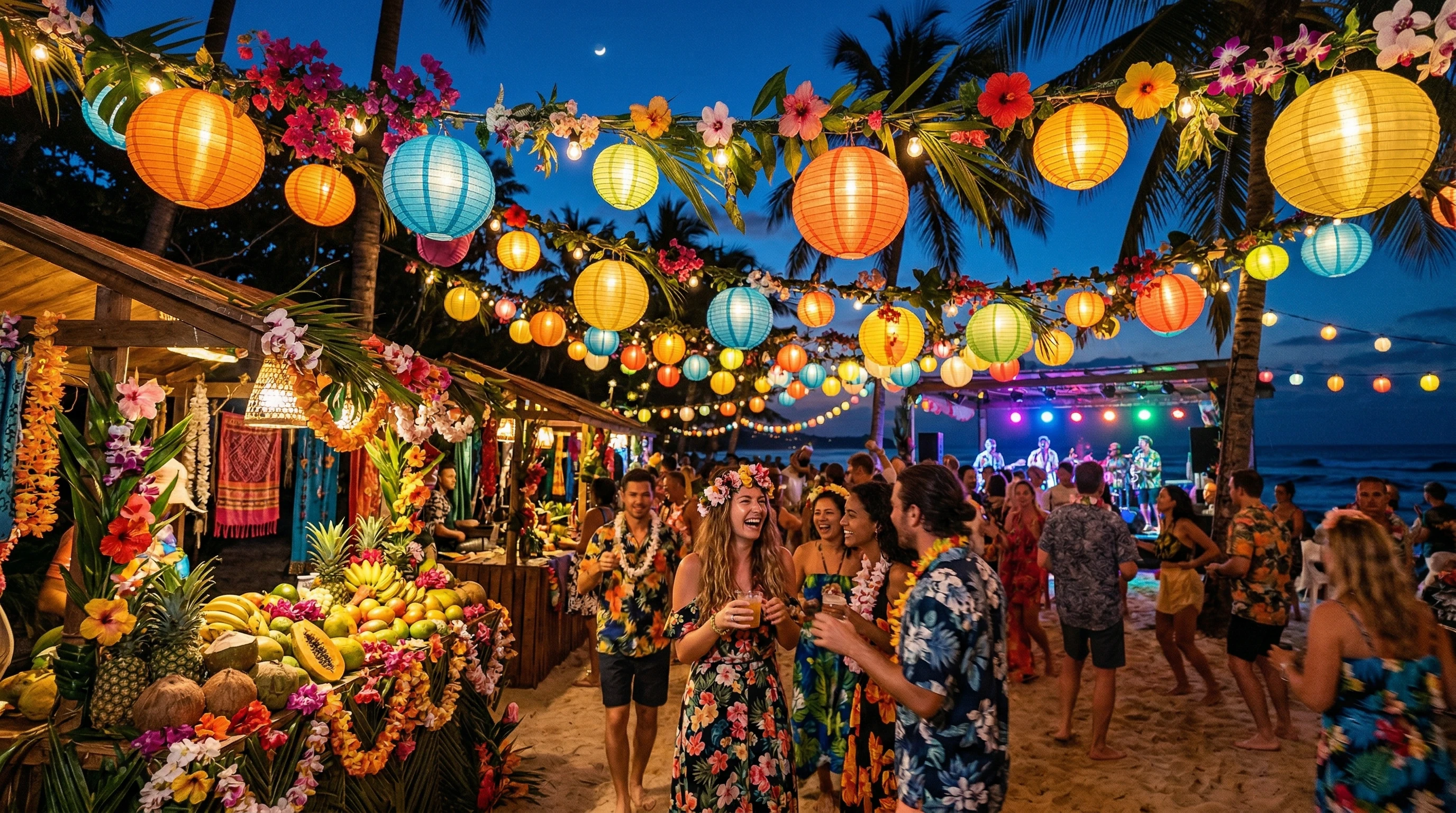
Festivals are a big deal on islands, drawing locals and visitors alike. One of my favorite examples is Junkanoo in the Bahamas, where parades burst with music, eye-catching costumes, and dancing. Or think about the Obon festival in Japan’s Okinawa islands, which brings families together to honor ancestors with bonfires, lanterns, and folk dances (called Bon Odori) that get everyone moving.
Even smaller islands hold regular events; you’ll find village feasts in Samoa, flower festivals in Madeira, or harvest celebrations in the Channel Islands, each packed with rituals and stories unique to their location. These festivals aren’t just for fun. They help keep cultural stories alive, welcome newcomers, and pass on values from one generation to the next, making sure the island spirit connects everyone year after year. No matter how small or remote the community, these events are a powerful way to build bonds through shared music, food, and traditions.
Island Flavors: Tradition on the Table
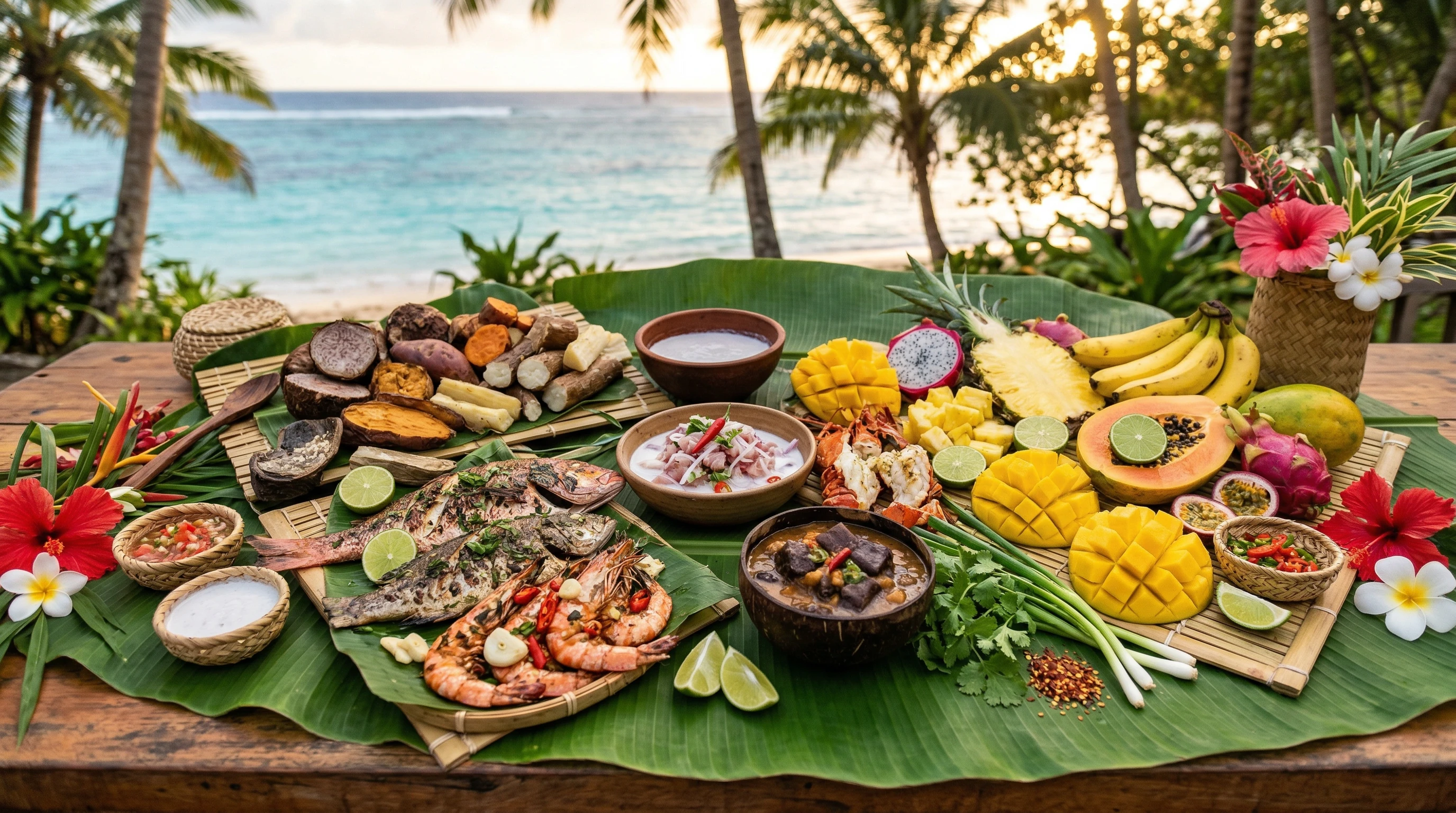
Food is a huge part of tradition, especially when you’re working with what you find locally. I’m talking about things like breadfruit in the Pacific, saltfish and callaloo in the Caribbean, or coconutbased dishes across plenty of islands. These recipes are often family secrets, cooked and enjoyed together for holidays and special occasions.
Gathering for a big seafood grill on the beach or a backyard pig roast, like a Hawaiian luau, turns dinner into a celebration. People swap stories over plates of food, and there’s usually singing or drumming to finish things off. It’s not just about eating. It’s about connection, memory, and pride in local flavors. Passing down recipes is a way families stay close and show respect for their heritage, all while having a tasty meal together.
Music, Dance, and Art: Keeping Stories Alive
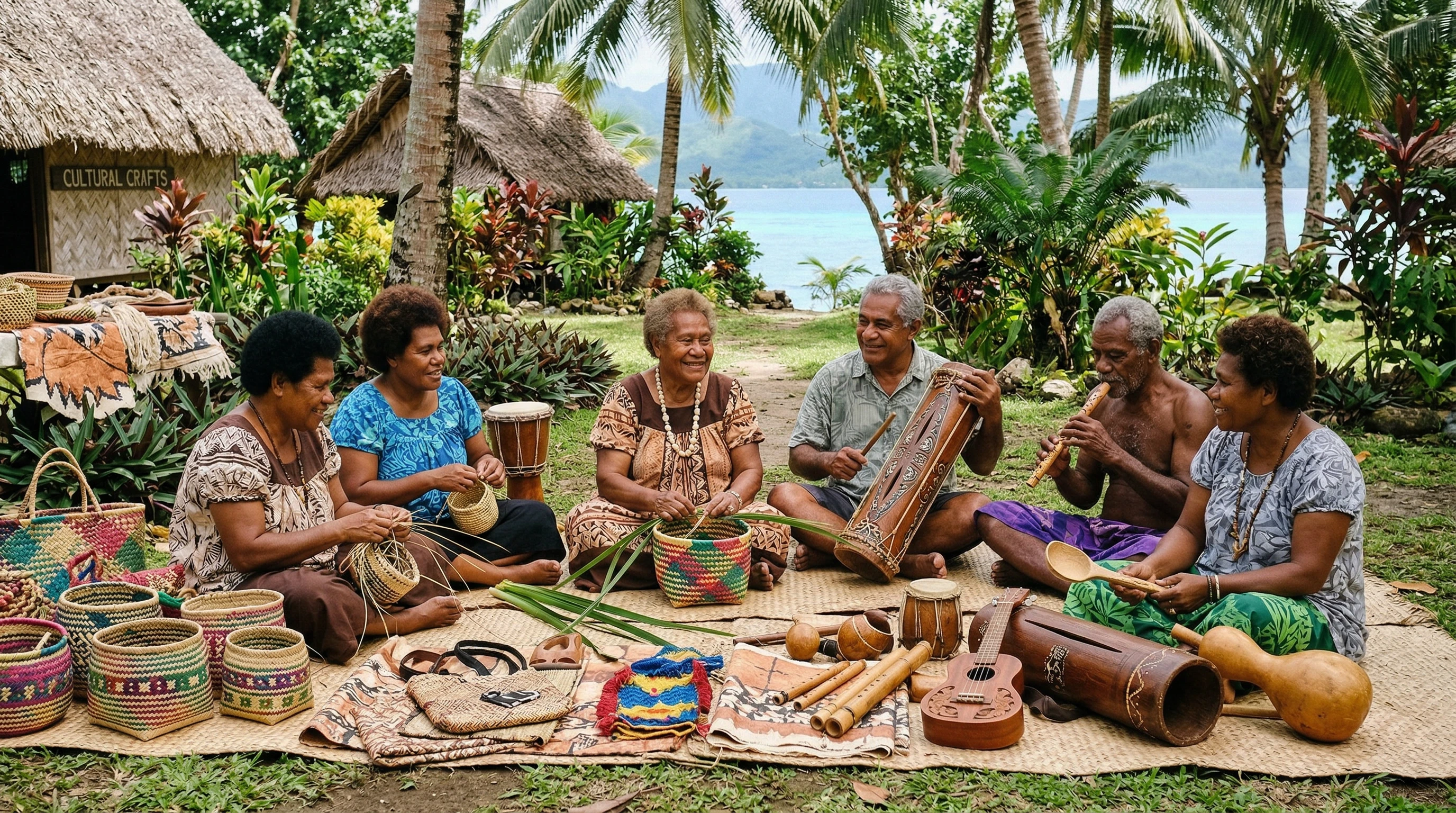
Song and dance are two things you can’t separate from island tradition. Steel drums ringing out in Trinidad, slackkey guitar in Hawaii, or bamboo pole dancing in the Philippines all carry stories passed down for generations. Music signals the start of a festival, comfort at a loss, or the close of a busy week.
Art and craftwork are another piece of the puzzle. Basketweaving, shell jewelry, and woodcarving reflect both skill and identity. Many of these arts were taught directly by elders and are still being passed on, even as younger islanders bring in new twists and styles. Artisans may use modern tools, but their creations remain inspired by ancient forms, symbolizing the resilience and creativity of island cultures. These creative practices strengthen community identity and offer a window into the past while keeping an eye on the future.
Keeping Tradition Fresh: Adaptation and Change
Islanders know how to adapt. Even when cruise ships, internet, and global brands show up, core traditions often stick around, sometimes with a fresh update. Young artists remix old dances with new beats, chefs combine ancient recipes with modern flavors, and craftspeople use both oldschool tools and 3D printers for their work.
This ability to blend old and new is part of what keeps island traditions feeling real and alive. It’s pretty inspiring to see communities making space for both respect and creativity, so every generation finds a way to take part. From livestreamed festivals to Instagram-famous food, today’s islanders are making sure their heritage continues to shine in new and exciting ways.
🌺 What’s Your Favorite Island Tradition?
What stories or customs from your own corner of the world remind you of island traditions?
Share your favorites in the comments; I’d love to hear which traditions matter most to you, or any island experiences that left a mark on you.